


Media release
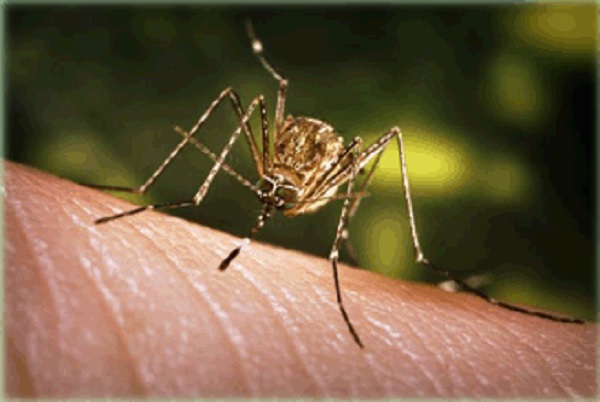
(Payne County) — The Oklahoma State Department of Health’s mosquito surveillance program has detected West Nile Virus (WNV) activity in Payne County. The mosquito surveillance program, which occurs across multiple counties in Oklahoma, traps mosquitoes and tests them weekly for the presence of WNV. Mosquitoes transmit WNV, and a positive mosquito pool means there is an enhanced risk of WNV exposure to people in this area. Preventing mosquito bites is the best way to protect yourself from WNV infection. West Nile Virus symptoms are commonly mild, with signs of fever and headache. However, 1 in 150 humans do develop more severe symptoms, including meningitis or encephalitis that can lead to death.
How to avoid mosquito bites and eliminate mosquito breeding grounds around your home:
- • Use EPA-approved insect repellent, such as DEET, when outdoors.
• Eliminate areas of standing water inside and outside your home. Standing water is where mosquitoes lay their eggs. Examples of objects that collect enough water for mosquitoes to lay eggs and hatch are toys, wheelbarrows, tire swings, flower pots, buckets, birdbaths, outdoor pet water bowls, trash cans and bottle caps.
• Keep mosquitoes outside by maintaining window screens.
• Avoid being outdoors at dusk and dawn when mosquitoes are most active.
• Wear long sleeves and long pants to shield skin from mosquitoes. - Ways communites can help:
- Conduct a community-wide inspection to identify and eliminate areas of stagnant water that serve
as mosquito breeding grounds.
• Inspect tire shops and educate operators on the importance of preventing water from being trapped in tires
stored outside. Water trapped inside tires should be dumped weekly or treated with larvicide.
• Abandoned swimming pools are sources for mosquito reproduction and are candidates for larvicide treatment.
• Repair areas where water collects and does not drain. Examples include broken water lines, loading docks,
blocked storm drains, culverts and potholes.
• Treat persistent areas of stagnant water with larvicide.
• Conduct city-wide campaigns to eliminate debris that can serve as mosquito breeding grounds.
![[Your] News](https://www.1600kush.com/wp-content/uploads/2019/02/sidebar_yournews.jpg)